
How Meditation Changes Your Brain
Meditation, the practice of thinking deeply or focusing one’s mind with the goal of obtaining feelings of relaxation and inner peace, is a beneficial tool with numerous health benefits. Now, in our current, stress-filled environment, it can really come in handy. Learn how meditation changes your brain for the better, and start the calming practice today.

Meditation, the practice of thinking deeply or focusing one’s mind on an object, thought, or activity with the goal of obtaining feelings of relaxation and inner peace, is a beneficial tool with numerous health benefits. Now, in our current, stress-filled environment, it can really come in handy. What’s fascinating is that meditation not only calms your mind in the moment, but it also changes your brain’s structure.
Meditation has been around for centuries, but scientists are just beginning to study its effects on the human body. One segment of research focuses on how meditation impacts the brain, from changes in brain volume to decreasing activity in the stress centers of the brain.
Related: Train Your Brain to Ditch Bad Habits and Form New, Better Ones
In one study, researchers were astonished to find in their subject increased activity in his left prefrontal cortex (responsible for subduing negative emotions) and abnormal gamma wave levels (suggesting signs of bliss) due to his decades spent meditating.
Key Changes in the Brains of Meditators
Some studies suggest practicing mindfulness meditation can actually change the structure of the brain. When we repeat motions or even thoughts enough, we deepen pathways in our brains. This ability of our brains to change is called neuroplasticity, and it’s why our brains can change physically after regularly practicing meditation. Meditating regularly (as little as 10-20 minutes, three times a week) can enlarge your prefrontal cortex, which is responsible for rational decision-making, enlarge your hippocampus, responsible for learning and memory, and shrink your amygdala, the emotional and fear center of the brain.
Meditation and Stress Regulation
Meditation can be a very effective stress management tool. By training the mind, and triggering a relaxation response, we are better able to deal with life’s stressors - the coronavirus, the economy, working from home with the kids underfoot, etc.
How Meditation Can Help Improve Focus and Concentration
In today’s busy world, everyone has trouble keeping focus from time to time. Perhaps not surprisingly, scientists say there’s reason to believe that meditation can help. That meditative practice of keeping your mind focused strengthens the parts of your brain related to focus, so you’re better able to maintain focus and concentration, even when you’re not meditating.
Meditation and Immunity
Researchers have determined that there is a direct correlation between the brain and the immune system, i.e., our thoughts and feelings affect our overall health.
Related: Want to Feel Better? Spend Time Outdoors!
New to meditation? Start with intentional breathing techniques a few minutes a day to clear your mind and reduce stress. Then move on to an app, like Calm or Headspace, to deepen your mindfulness practices. One of the best things about meditation is that it’s portable; you can do it anywhere, with no special equipment. All you need to reduce your stress and improve your focus is a few minutes and quiet place.
Pregnancy, Breastfeeding and COVID-19
COVID-19, the respiratory illness caused by the Coronavirus, is a new disease. We are still learning about its severity, how it spreads, and who is at most risk. Pregnant women and breastfeeding mothers, naturally, are concerned about what it means for them and their babies.
While much is still unknown about the virus, what we do know about this virus is reassuring for pregnant and breastfeeding women.

COVID-19, the respiratory illness caused by the Coronavirus, is a new disease. We are still learning about its severity, how it spreads, and who is at most risk. Pregnant women and breastfeeding mothers, naturally, are concerned about what it means for them and their babies.
While much is still unknown about the virus, what we do know about this virus is reassuring for pregnant and breastfeeding women.
Pregnancy
According to preliminary studies, it does not appear that pregnant moms can pass COVID-19 to their babies in utero. Babies born to moms with COVID-19 have not tested positive for the virus at birth. Additionally, a small study published in The Lancet, following cases of 9 pregnant women from early in the outbreak, showed their symptoms were mild to moderate, none of the women developed severe complications, none died, and their babies were generally healthy.
“Based on the data we have so far, it seems that, for some reason, women – including pregnant women – experience less severe infection than men.”
Pregnant women do still tend to be more susceptible to respiratory illnesses, including pneumonia, especially if they have pregnancy complications or chronic conditions. That said, pregnant women don’t seem to be at higher risk of contracting COVID-19. Regardless, protect your health and the people around you by washing your hands often and well, staying away from anyone who’s showing signs of illness, and contacting your doctor at the first sign of any symptom.
Related: Embrace Real Food for Pregnancy
Should you continue to visit your doctor for prenatal care? You don’t want to neglect your baby’s or your own health, so it can be hard to know what to do. Contact your doctor’s office to see what safety precautions they’re taking and what they recommend for you. Many doctors are shifting to more telemedicine appointments, so you may have the option of having a virtual visit.
Breastfeeding
So, what are the recommendations for breastfeeding moms who are showing symptoms or are confirmed to have COVID-19? The CDC has published Interim Guidance on Breastfeeding for a Mother Confirmed or Under Investigation For COVID-19 based on what is currently known about COVID-19 and the transmission of other viral respiratory infections. The CDC will continue to update the guidelines as additional information becomes available, so reading and following those instructions is a great place to start.
“Bottom line: with the rare exception of a severe infection in mom, breastfeeding is recommended, even if mom has COVID-19.”
COVID-19 has not been detected in the breast milk of mothers with confirmed cases of the virus. Currently, the primary concern is not whether the virus can be transmitted through breast milk, but whether an infected mother can transmit the virus through respiratory droplets while breastfeeding.
If you have confirmed COVID-19 or you’re showing symptoms, the most important thing you can do is take precautions to avoid spreading the virus to your baby. Wash your hands before touching your baby, and wear a face mask (if possible) while breastfeeding. If you express your breast milk, wash your hands before touching any pump or bottle parts and properly clean and disinfect the pump and its parts after each use. You’re probably doing these things already! Plus, if you have COVID-19, consider having someone who is uninfected feed your baby expressed milk with a bottle.
If you’re well now and are able to pump, it’s a good idea to ‘stockpile’ some breast milk and freeze it, in the event you do contract the virus. That way, you’ll have breast milk set aside and ready in case you need or want help feeding your baby while you’re unwell.
Learn more about COVID-19, Pregnancy and Breastfeeding from Dr. Aviva Romm.
Jennifer's Chiropractic Story
Listen to Jennifer's story about how specific chiropractic care helped her function better during and after pregnancy. As a result, she is more healthy overall for her clients and her family!

Listen to Jennifer's story about how specific chiropractic care helped her function better during and after pregnancy. As a result, she is more healthy overall for her clients and her family!
“My general disposition is better because I feel better.”
Jennifer experienced lower back pain during pregnancy, which was exacerbated at work. As a child life specialist, she has to bend down to work with patients, and that can strain her lower back. She’s glad to get chiropractic care and says, now that she’s pain-free, “It makes me a happier mom, makes me better at my job, makes me a better wife.”
🎥 Rachael Porter
Study Shows Chiropractic Relieves Reflux Symptoms in Infants
Is reflux keeping your baby up at night or causing her to vomit or spit up frequently? Reflux is a common problem for babies, and the pain, sleeplessness and discomfort it causes can be hard on the whole family. If nothing you have tried is helping, consider chiropractic. Recent research shows chiropractic care may reduce or eliminate gastroesophageal reflux symptoms in infants.

Is reflux keeping your baby up at night or causing her to vomit or spit up frequently? Reflux is a common problem for babies, and the pain, sleeplessness and discomfort it causes can be hard on the whole family. If nothing you have tried is helping, consider chiropractic. Recent research shows chiropractic care may reduce or eliminate gastroesophageal reflux symptoms in infants.
The study, reported in the Journal of Upper Cervical Chiropractic Research, followed a 9-week-old baby who experienced severe reflux symptoms. He wasn’t sleeping well, had sinus congestion, vomited frequently, and had trouble being placed on his back. He had trouble keeping down breastmilk, and prescription medications weren’t helping.
Related: Chiropractic as a Solution for Breastfeeding Difficulties
A chiropractor discovered that the infant had tight muscles in his neck and changes to his posture, due to subluxations in his upper neck.
After a single chiropractic adjustment, he saw immediate improvement. The infant slept 6 hours the first night with no symptoms, 7 hours the next night, and 9 hours the next. According to his mother, all his reflux symptoms ceased, so he was able to stop all medications.
If your infant is suffering from reflux, contact us to see if chiropractic care can improve his nerve function and ease symptoms of reflux.
Healthy Recipe: Super Fudgy Chocolate Quinoa Muffins
Looking for a healthy treat that’s perfect in school lunches, for afternoon snacks, or for breakfast on the go? These rich, fudgy chocolate quinoa muffins are just the thing for your busy family! They’re filled with healthy ingredients, so you can feel good about serving them. Plus, they freeze well, so whip up a double batch and have plenty of extras this spring.

Looking for a healthy treat that’s perfect in school lunches, for afternoon snacks, or for breakfast on the go? These rich, fudgy chocolate quinoa muffins are just the thing for your busy family! They’re filled with healthy ingredients, so you can feel good about serving them. Plus, they freeze well, so whip up a double batch and have plenty of extras this spring.
Super Fudgy Chocolate Quinoa Muffins
Ingredients
1 very ripe banana
10 soft dates
2 fresh large eggs
1/2 C cooked quinoa
2 T coconut oil
2 T raw cacao powder ( unsweetened)
1 t grounded cinnamon
6 chopped pecans
1/8 t salt & pinch more
1/4 t vanilla extract or powder
1 t apple cider + 1/2 t baking soda
Directions
Preheat your oven to 375F and grease your muffin tin or line it with muffin liners
Blend 10 soft dates + 2 eggs + 1/2 c cooked quinoa + coconut oil until smooth
Add the cinnamon, cacao, vanilla, salt and blend to mix
Pour in a bowl and add the chopped pecans, then baking soda and apple cider vinegar on top to bubble
Mix well and scoop into the greased muffin tin
Bake for 22-25 min at 375 F. Use a toothpick to check for doneness.
Love chocolate? Then also try these delicious gluten-free brownies.
Recipe courtesy of Maite Bou, a Holistic Nutritionist, mama of two, lover of 🥑 and founder of maitebou.com. Her passion is sharing and educating our community with fun, healthy, easy and delicious recipes, videos, and her upcoming nutrition/ cooking workshops! Maite hopes to inspire you to make your own health informed choices and live a happier, healthier and overall meaningful life!
5 Reasons to Hire a Postpartum Doula
Your family and friends may be able to help you when you bring your baby home. But adding the help of a postpartum doula to assist with your postpartum care can be an excellent option that’s beneficial to your whole family. Here are 5 reasons to hire a postpartum doula and make your transition from pregnancy to motherhood a smoother one.

Sure, your family and friends may be able to help you when you bring your baby home. But adding the help of a postpartum doula to assist with your postpartum care can be an excellent option that’s beneficial to your whole family.
If you think family dynamics can make holiday get-togethers awkward, then you already know how hard it could be to set boundaries or keep emotions in check when you’re exhausted, caring for an infant, and healing from giving birth.
From Pathways to Wellness, here are 5 reasons to hire a postpartum doula and make your transition from pregnancy to motherhood a smoother one:
Doulas aren’t emotionally involved.
Getting outside support and advice can help you find what feels right for you and your baby. A doula can also help you set boundaries and feel good about them, even when your family members don’t understand or agree with your choice.Doulas offer support for mom.
Your doula might be the only person who visits your home with no expectations. She’ll hold your baby so you can shower or eat, but she won’t be there just to cuddle the baby or take lots of pictures. She’s truly a support system to help you heal and care for your infant.Doulas foster a judgment-free zone.
A good doula will be a shoulder to cry on and a sounding board for your questions. She won’t judge you for your questions or decisions, but she will support you and will provide any information you need.Doulas provide information, not opinions.
Things have changed since you were born, so some information your mom or mother-in-law might offer is now considered unsafe, like baby’s sleeping position. A doula can provide best practices and the latest information to help you make informed decisions for yourself and your baby.
You may also be interested in Chiropractic as a Solution for Breastfeeding Difficulties.Doulas bring extra skills to the table.
Different cultures have different postpartum traditions. Your family may need help carrying out those traditions by bringing in someone with different skills, like massage therapy. There are many ways in which your doula can complement your care team.
Your friends may mean well and want to help, but they don’t always know how. Or, you may not feel comfortable asking a friend or relative intimate questions about breastfeeding or postpartum healing. That’s where an impartial doula can assist, by providing sound information and compassionate care.
Learn more about the reasons to hire a postpartum doula in Pathways to Wellness.
Healthy Recipe: Winter Vegetable Soup
If your family is trying to eat less meat and more veggies, this winter vegetable soup will become a staple on your dinner table! The savory broth is loaded with flavorful herbs and spices, and the season’s best veggies give you a delicious dose of healthy goodness.

If your family is trying to eat less meat and more veggies, this winter vegetable soup will become a staple on your dinner table! The savory broth is loaded with flavorful herbs and spices, and the season’s best veggies give you a delicious dose of healthy goodness.
Ingredients
2 Tbs. olive oil
3 medium carrots, diced
1 large yellow onion, diced
2 medium cloves garlic, minced
2 cups peeled butternut squash, cubed
1/4 tsp. allspice
Pinch cayenne pepper; more to taste
Kosher salt
1 quart chicken broth
1 14.5-oz. can diced tomatoes
4 sprigs fresh thyme
2 cups lightly packed, coarsely chopped kale
1 cup canned chickpeas
View or print the full recipe at Fine Cooking.
Recipe tips
Microwave your butternut squash for about 3 minutes to soften it for easier peeling and chopping.
Use a medium-dice for your veggies.
Reduce the sodium by choosing low-salt versions of the canned goods.
Use vegetable broth to make the soup vegetarian.
Substitute other fall vegetables or beans to suit your taste or use what you have on hand.
Serves 4 as a main course, or 6-8 if served as a starter.
If you love hearty soups, you may also enjoy Crockpot Paleo Minestrone Soup.
Want to Feel Better? Spend Time Outdoors!
Have you ever noticed that walking your dog, walking to lunch, or watching the leaves flutter in the wind makes you feel better? Ecopsychology studies the relationship between humans and nature, and it’s no surprise that harmony with nature helps reduce stress and aids in relaxation. But did you know that immersion in nature also benefits our physical health?

Have you ever noticed that walking your dog, walking to lunch, or watching the leaves flutter in the wind makes you feel better? Ecopsychology studies the relationship between humans and nature, and it’s no surprise that harmony with nature helps reduce stress and aids in relaxation. But did you know that immersion in nature also benefits our physical health?
Studies show that spending a minimum of two hours a week in tune with nature improves health and psychological well-being. It only takes 120 minutes per week - or just over 17 minutes a day - to feel better!
“It’s well-known that getting outdoors in nature can be good for people’s health and well-being, but until now we’ve not been able to say how much is enough. Two hours a week is hopefully a realistic target for many people, especially given that it can be spread over an entire week to get the benefit.”
Deepening your relationship with nature can:
lower blood pressure and stress hormone levels
boost your immune system
reduce anxiety
and improve your mood.
Additionally, an increasing number of employers and healthcare providers are embracing a back-to-nature approach.
The ways to embrace nature are immeasurable. Take a walk through your neighborhood, join a garden club or explore one of our city’s many hiking trails - whether you want to walk, run or mountain bike, Chattanooga has an abundance of trails for all skill levels. Whatever activity calls to you, it just takes two hours a week to feel the benefits.
Learn more about the benefits of immersion in nature, then head to a green space and enjoy some time outdoors. While you’re at it, send your kids outside for some unstructured play. They’ll get a double-dose of well-being from free play and time spent outdoors.
Help Your Kids Thrive with Unstructured Play
Think back to your own childhood. Did it involve climbing trees, roaming the neighborhood with friends, building forts in the living room, squishing mud pies and long, lazy summer days with friends? These days, parents have to try harder to find time to let their kids be kids and play without rules. And that’s too bad, because kids NEED unstructured play time. It’s good for their physical, social, mental and emotional development.

Think back to your own childhood. Did it involve climbing trees, roaming the neighborhood with friends, building forts in the living room, squishing mud pies and long, lazy summer days with friends? These days, parents have to try harder to find time to let their kids be kids and play without rules. And that’s too bad, because kids NEED unstructured play time. It’s good for their physical, social, mental and emotional development.
From exploring their physicality, to overcoming obstacles, reducing stress, and learning how to take turns, free play is essential to our kids’ healthy development.
Discover 10 ways kids benefit from unstructured play, from Pathways to Wellness:
Confidence
Recovery from setbacks
Overcoming emotional trauma
Personal resilience
Stress relief
Empathy
Self-expression
Discovering interests
Sense of self
Respect for nature
“When children engage in free play with their friends, their cooperation, sharing, helping, and empathy skills grow by the game.”
It’s hard to squeeze one more thing in between sports, music lessons and academics, but your kids are more likely to thrive if you can give them time and space to play on their own. Playgrounds and yards are great for this, but kids can get just as creative indoors.
You may also enjoy Helping Kids Find Balance, to discover other ways to help your kids thrive and keep their bodies healthy and balanced.
Healthy Recipe: Immune Support Herbal Latte
Just what you need in your life this winter. It tastes delicious and it’s a way to cut back on all the sugar after the holidays!
This recipe from Maitebou.com is a perfect way to support your immune system. Check out the full recipe, and enjoy!
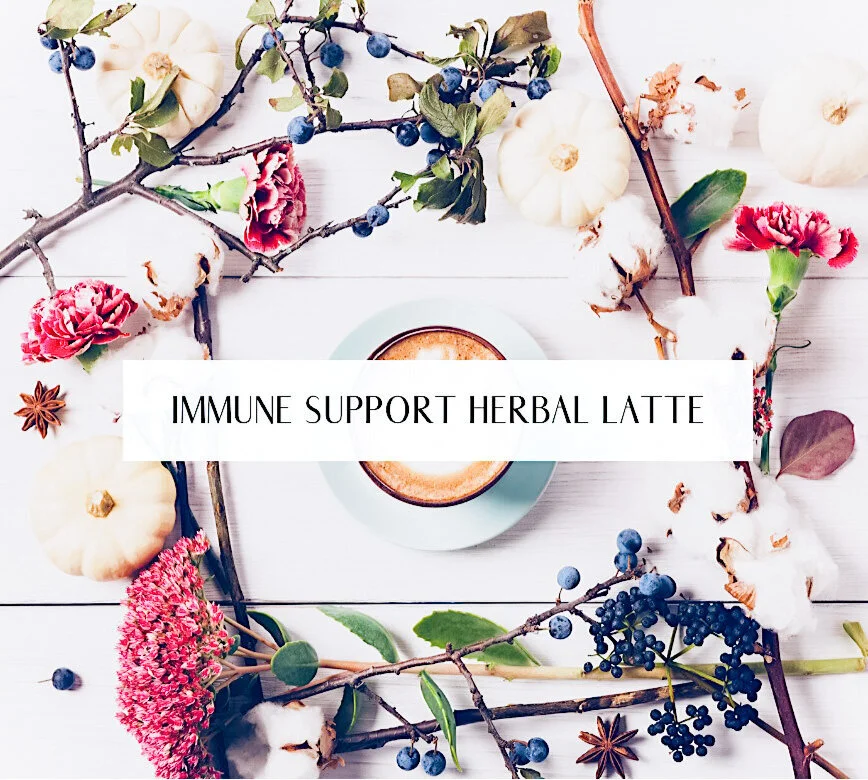
Just what you need in your life this winter. It tastes delicious and it’s a way to cut back on all the sugar after the holidays!
This recipe from Maitebou.com is a perfect way to support your immune system. Check out the full recipe, and enjoy!
Herbal Blend for Latte
Ingredients
1/2 C dried elderberries
2 T dried ginger root
4 T dried rose hips
2 t cinnamon
Directions
After adding all the herbs in a glass, put the lid on and shake well. Store in dry place in the kitchen that is out of the sun.
Making your own herbal blends is CHEAPER & FRESHER than buying already made blends or teas, and a great way to avoid pesticide loaded tea bags! The whole blend yields ~16 lattes.
Immune Support Latte
Ingredients
1 ½ T herbal blend
3 C filtered water
1/4 t cinnamon
4 t Local honey
1 C coconut or almond milk
Directions
1. In a pot, boil 3 C of water.
2. Once boiling, add the herbal blend. Lower the heat to simmer for 15 mins and put a lid on the pot.
3. Let it cool for 2-3 mins.
4. Strain the herbs with a strainer. Use the back of a spoon to press on the herbs to help release more of the liquid. Discard the herbs. (Or even better compost them!)
5. In the same pot, add 1 C of nut milk, the ¼ t cinnamon and raw honey. Heat it up to your taste. (Or you can use a frother if you have one.)
Enjoy! :)
You might also enjoy a steaming mug of vegan hot cocoa or a creamy, dairy-free pumpkin spice latte.
Healthy Recipe: Vegan Hot Cocoa
Whether you’re looking for gift ideas or are craving a rich, chocolatey cup of hot cocoa, this recipe is what you need in your life this winter. It tastes downright decadent but is made with lighter, healthier ingredients, so you can enjoy a cup (or two!) without the guilt.

VEGAN HOT COCOA. IMAGE USED WITH PERMISSION FROM ONE LOVELY LIFE
Whether you’re looking for gift ideas or are craving a rich, chocolatey cup of hot cocoa, this recipe is just what you need in your life this winter. It tastes downright decadent but is made with lighter, healthier ingredients, so you can enjoy a cup (or two!) without the guilt.
This recipe from One Lovely Life is dairy-free, naturally sweetened, Paleo and vegan friendly. Plus, it’s delicious!
Check out the full recipe, choose your favorite variation, then whip up a batch of mix in the blender to gift or enjoy at home.
Vegan Hot Cocoa
Ingredients
1/2 cup dairy-free semisweet chocolate chips
1/3 - 1/2 cup coconut sugar
1/3 cup cacao powder or unsweetened cocoa
1/4 tsp vanilla powder, 1 vanilla bean, or 1 tsp. vanilla extract
View the full recipe, plus delicious variations, at One Lovely Life. Makes 8-10 servings.
Love chocolate? Try this recipe for gluten-free brownies.
Research Shows Chiropractic Care May Resolve Premature Ventricular Contractions
Recently, the Annals of Vertebral Subluxation Research published results from a case study about premature ventricular contractions and chiropractic care.
In the study, two female patients suffered from premature ventricular contractions and other symptoms. A chiropractor assessed both patients using several different methods and found that each had multiple vertebral subluxations.

Recently, the Annals of Vertebral Subluxation Research published results from a case study about premature ventricular contractions and chiropractic care.
In the study, two female patients suffered from premature ventricular contractions and other symptoms. A chiropractor assessed both patients using several different methods and found that each had multiple vertebral subluxations. The subluxations were in the patients’ cervical, thoracic, and lumbar spinal regions.
“This case series demonstrated improvement in the autonomic nervous system of two female patients while undergoing chiropractic care.”
Both patients received a series of chiropractic adjustments without any other type of intervention. In both cases, the premature ventricular contractions were resolved, and the patients’ other symptoms were reduced.
You may also be interested in learning how chiropractic adjustments improve body function for improved overall health.
Understanding Disease, Stress and Your Health
If your nervous system is the information highway that keeps your body functioning, it makes sense that your overall health will be better when your nervous system is performing at its best. During flu season, it pays to understand disease, stress and your health.
If your nervous system is the information highway that keeps your body functioning, it makes sense that your overall health will be better when your nervous system is performing at its best. During flu season, it pays to understand disease, stress and your health.
Related: Can Chiropractic Improve How the Body Handles Stress?
You can improve your health and your body’s resilience by paying attention to two kinds of stress: distress and eustress. Distress leads to disease and illness, while eustress builds resilience. Eustress is the kind of stress that builds character and resilience; it’s experiencing challenges like grief or failure, then learning how to recover.
Distress, on the other hand, is more negative stress that’s harmful in nature and can lead to illness and disease. Our nervous systems are designed to recover from stressors, but our culture leads us toward isolation and fear. When you recognize this, you’re better able to adapt to stress and reconnect with the natural source of your health.
“Chiropractic is about supporting the ideal conditions for the nervous system to overcome stress. ”
Support your body’s ability to adapt to stressors and experience better health through chiropractic care. Learn more about how chiropractic adjustments improve body function.
Source: Pathways to Family Wellness magazine, Issue #63.
Healthy Recipe: Creamy Tomato Basil Soup
It’s hard to beat a steaming bowl of creamy tomato soup on a chilly day. In this case, the soup is not only delicious, but it’s also 100% vegan, Paleo and Whole30 compliant! Roasting the tomatoes first gives the soup a burst of extra flavor, and prepping it in the blender gives it a smooth, even texture that appeals to parents and kids alike.
It’s hard to beat a steaming bowl of creamy tomato soup on a chilly day. In this case, the soup is not only delicious, but it’s also 100% vegan, Paleo and Whole30 compliant! Roasting the tomatoes first gives the soup a burst of extra flavor, and prepping it in the blender gives it a smooth, even texture that appeals to parents and kids alike.
Ingredients
3 lbs. halved tomatoes
1 medium white or yellow onion, cut into large chunks
3 Tbsp. olive oil
1 1/2 tsp coarse salt
1/4 tsp red pepper flakes (or to taste)
1 clove of garlic, minced
2 cups lightly packed fresh basil
2 cups vegetable broth
For the instructions, variations, nutritional information and a printable version of the recipe, please visit One Lovely Life.
Serves 6.
Love soup?
You may also enjoy Zuppa Toscana and Crockpot Paleo Minestrone.
Research Shows Chiropractic Can Help Suffering From Concussions
Recent research reported in the Journal of Upper Cervical Chiropractic Research reveals that chiropractic care can bring relief from concussion trauma, including dizziness, headaches, vertigo, and concentration problems.

Recent research reported in the Journal of Upper Cervical Chiropractic Research reveals that chiropractic care can bring relief from concussion trauma, including dizziness, headaches, vertigo, and concentration problems.
“Basic science research shows that the proper functioning of the brain and its ability to function, coordinate movement and balance relies on proper structure and movement of the spine and that this can be severely affected by trauma and concussion.”
In the study, two women suffering from post-concussion syndrome experienced symptoms like headaches, trouble concentrating, dizziness, and ringing in their ears. Both had sought relief from treatments including acupuncture and physical therapy, plus medical care from neurologists and otolaryngologists. That care did’t relieve their suffering, so they turned to chiropractic for relief from their lingering concussion symptoms.
X-rays revealed that both women had structural shifts, or vertebral subluxations, in their necks that may have been obstructing their nerves and the blood supply to their brains.
Related: Chiropractic Care for Athletes
After chiropractic care, the women were both able to return to work and find normalcy in their lives again, thanks to a significant reductions in their symptoms.
“It makes perfect sense when you think about it. The effects of a concussion including pain, brain fog, vertigo, dizziness, coordination and balance problems may be related to how the entire body communicates with the brain.”
Read the full study for more details about chiropractic and concussions.
Embrace Real Food for Pregnancy
Prenatal nutrition can be confusing. We all want the best for our babies, but an astonishing amount of what we’ve been told about pregnancy nutrition is not backed by current research. In her book, Real Food for Pregnancy, Lily Nichols dives into this topic and explains why expecting mothers should embrace real food for pregnancy.
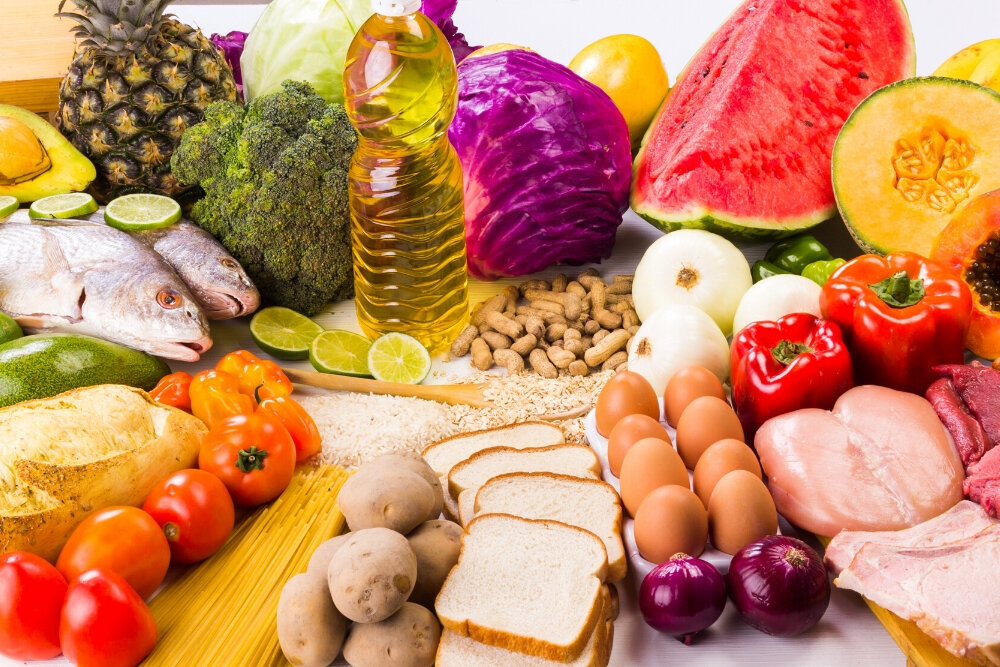
Prenatal nutrition can be confusing. We all want the best for our babies, but an astonishing amount of what we’ve been told about pregnancy nutrition is not backed by current research.
“Nutrient requirements during pregnancy are usually calculated by adding an increment to the value for nonpregnant and nonlactating women that covers the cost of fetal growth and development and the associated changes in maternal tissue metabolism. This factorial approach, however, may not necessarily be correct because it does not take into account metabolic changes in absorption or excretion.”
In her book Real Food for Pregnancy, registered dietitian/nutritionist and certified diabetes educator Lily Nichols delves into the gap between current prenatal guidelines and what’s optimal for both mother and baby. The book is meticulously researched and breaks down the myths of what you should and shouldn’t eat, the importance of prenatal exercise, and nutritional ways to manage morning sickness, heartburn, food aversions, etc. In short she explains why it’s important to embrace real food for pregnancy.
So, what is “real food”? Simply put, real food is made with simple ingredients that are as close to nature as possible and not processed in a way that removes nutrients. Real food is nutrient-dense, delicious, and satisfying.
Top 10 Real Foods for a Healthy Pregnancy
Eggs (with the yolks!) Eggs should be a part of every prenatal diet. They are packed with protein, B-vitamins, choline, minerals, vitamins A, D, E, and K, and the brain-building omega-3 fat, DHA.
Liver Boasting high levels of every B-vitamin (including folate), choline, iron, zinc, and all the fat-soluble vitamins (A, D, E and K), liver is a veritable multivitamin. If you still can’t stomach liver (or don’t have access to high-quality, grass-fed liver), consider taking a liver supplement.
Kale No prenatal diet is complete without leafy greens; they’re some of the richest dietary sources of folate. Kale is also packed with magnesium and potassium, fiber, vitamin C, beta-carotene, and many antioxidants.
Wild Salmon Omega-3 fats, including DHA, have gotten more attention in recent years for their role in brain and vision development. The number one source for DHA is cold water fish like wild salmon. It’s also low in mercury, so you can safely consume it during pregnancy. If broiled or grilled salmon isn’t your thing, consider making salmon cakes or opting for salmon in your favorite tuna salad recipe.
Slow Cooked Meat Tough cuts of meat are rich in connective tissue that breaks down over the course of long, slow cooking. This connective tissue is rich in the amino acid glycine. During pregnancy, researchers have found that glycine needs far exceed normal requirements, meaning pregnant women need to consume enough glycine from their diet to help not only the baby develop, but to support the growth of the uterus. Beef stew is an excellent source of glycine, as well as protein, iron, zinc, vitamin B6, and vitamin B12.
Bone Broth Like slow cooked meat, bone broth is full of glycine. It’s also a fantastic source of calcium and magnesium. If you can’t or won’t do bone broth on a regular basis, try adding a scoop or two of collagen peptides to beverages, soups, oatmeal, mashed sweet potatoes, etc. to give you the benefits without the broth.
Seaweed Seaweed is one of the best sources of iodine, a mineral that many of us lack, in the diet. Pregnancy increases iodine needs by 50%. Get your fix with seaweed salad or crunchy seaweed snacks, or toss a chunk of dried kombu into your next pot of bone broth.
Avocado One way to help keep morning sickness at bay (or help manage it) is to eat foods rich in vitamin B6 and potassium. Avocados are rich in both, plus healthy fat and 10g of fiber.
Sauerkraut Traditional sauerkraut – the kind made by fermenting salted cabbage – is rich in probiotic bacteria. Probiotic-rich, fermented foods are important during pregnancy because as a mom, you pass on your bacteria to your baby. Having a healthy balance of bacteria in your body sets the stage for good digestion and a healthy immune system for your baby as well.
Full-fat Kefir or Yogurt Dairy is an excellent source of calcium and other minerals. When you purchase full-fat, you get the benefit of fat-soluble vitamins, which ensures you absorb all those minerals. And, since these two dairy products are fermented, you benefit from probiotics. Choose dairy products from grass-fed or pasture-raised animals to ensure the highest levels of fat-soluble vitamins.
Related: 8 Choices for a Healthier Pregnancy
What is covered in Real Food for Pregnancy:
Misconceptions of conventional prenatal nutrition.
Nutrient-dense foods to eat to “build a healthy baby” and which to avoid, including the latest evidence on fish and mercury, food safety and deli meat, etc.
Why a vegetarian or vegan diet may not be the best idea during pregnancy and what nutrients/supplements to consider if you choose a vegetarian diet.
Nutritional management of nausea, food aversions, heartburn, constipation, and preeclampsia.
Lab tests, supplements, and other proactive steps to support a healthy pregnancy.
Prenatal exercise – what’s safe, what’s not, and why moving your body is so important.
The crucial role of mindfulness and stress management during pregnancy.
Practical steps to reduce exposure to common toxins.
Navigating the 4th trimester; using nutrient-dense foods to support breastfeeding, physical recovery, and many more tips to help you thrive postpartum.
We specialize in chiropractic care for expectant mothers and would be honored to be a part of your care team as you prepare to welcome a new baby to your family!
Learn more about Lily Nichols, and get more highlights from Real Food for Pregnancy.
How Chiropractic Adjustments Improve Body Function
Vertebral subluxations are misalignments of the spinal bones that prevent your nervous system from functioning at 100% of its potential. If your nervous system isn’t operating at its best, then neither is the rest of your body. Chiropractic adjustments improve body function by correcting those subluxations to improve the health of your entire body.

Our brains are the control centers for our entire bodies. Everything that happens in our bodies is regulated by our brains and our nervous systems. Not only do our brains control our physical selves, but they’re also centers for our senses, emotions, thoughts, and behaviors. As chemicals and signals from our brains travel across our nervous systems and out to our organs, tissues and other systems, they allow our bodies to function.
Our nervous systems are a lot like busy highways that need be maintained so that brain signals and chemicals can flow smoothly to their proper destinations. Just like highways get worn down with normal wear and tear, so do our bodies. Those daily stressors - poor posture, injuries, repetitive motions - can create vertebral subluxations that compromise the signals our nervous systems are trying to send out.
Related: The Importance of the Vagus Nerve
“Vertebral subluxations are like static in a
communication system. They prevent the
brain from accurately perceiving what is
happening in the body and from properly
regulating bodily functions.”
Vertebral subluxations are misalignments of the spinal bones that prevent your nervous system from functioning at 100% of its potential. If your nervous system isn’t operating at its best, then neither is the rest of your body.
Subluxations can be so subtle that you don’t notice obvious symptoms or pain, but they may still be negatively affecting your body’s ability to perform at its best. Chiropractic adjustments improve body function by correcting those subluxations to improve the health of your entire body. That’s why we believe chiropractic care is for everyone, not only those who are suffering from pain. When your body is free from subluxations, its systems work in harmony to keep you healthy.
Learn more about the benefits of chiropractic care and how it improves a number of health concerns.
Read the full article, which was published in Pathways to Family Wellness, Issue #62.
Healthy Recipe: Pumpkin Spice Latte
Nothing says fall quite like the perennial favorite, pumpkin spice latte. This version is healthy, delicious, and sugar and dairy-free, so you can sip some seasonal goodness without any guilt. It’s made with pumpkin puree, fall spices, and coffee and almond milk, and it’s ready in just minutes!

Image courtesy of Maite Bou.
Nothing says fall quite like the perennial favorite, pumpkin spice latte. This version is healthy, delicious, and sugar and dairy-free, so you can sip some seasonal goodness without any guilt. It’s made with pumpkin puree, fall spices, and coffee and almond milk, and it’s ready in just minutes!
Pumpkin Spice Latte
Ingredients
1 1/2 C coconut or almond milk
1 t pumpkin spice
1 t vanilla extract
2 or 3 T pumpkin puree
3 t to 1 T maple syrup or stevia or to taste
Choose one:1/4 C or one shot of expresso
3 t cereal coffee, non-caffeinated
Directions
Blend all the ingredients until smooth in a blender
Heat it up and serve!
For an additional treat, you might also enjoy these Gluten Free Brownies.
Recipe courtesy of Maite Bou, a Holistic Nutritionist, mama of two, lover of 🥑 and founder of maitebou.com. Her passion is sharing and educating our community with fun, healthy, easy and delicious recipes, videos, and her upcoming nutrition/ cooking workshops! Maite hopes to inspire you to make your own health informed choices and live a happier, healthier and overall meaningful life!
Train Your Brain to Ditch Bad Habits and Form New, Better Ones
Have you ever found yourself driving straight to work on the weekend, when you really meant to go to the store? Your mind learns to do certain things, like drive the same path from home to work, on autopilot to conserve energy. That’s great, unless you’re trying to break a habit that’s not serving you well! It is possible, however, to train your brain to ditch bad habits and form new, better ones.

Have you ever found yourself driving straight to work on the weekend, when you really meant to go to the store? Your mind learns to do certain things, like drive the same path from home to work, on autopilot to conserve energy. That’s great, unless you’re trying to break a habit that’s not serving you well! It is possible, however, to train your brain to ditch bad habits and form new, better ones.
This ability for your brain to change is called neuroplasticity. The more you act a certain way or perform a certain activity, the stronger the pathway in your brain becomes. Whether you’ve suffered a stroke and are learning how to perform functions again, or you want to stop smoking or get up earlier each day, you have the power to train your brain.
An article in Pathways to Wellness offers these essential steps for rewiring your brain and training it to create new habits:
“Observe what the old habit or pathway is doing in your life.
Look at your feelings, thoughts, and how your body is responding to the habit, and see what results you’re creating in your life. Be the witness, and be aware.Shift your focus.
This is very important. To create a new neural pathway, you must take the focus off the old habit, and then that old habit will eventually fall away. Don’t pay attention to the doughnuts and cakes. Focus your awareness on wholesome, healthy, delicious foods.Use your imagination.
You can build new neural pathways not only with new behaviors, but through the imagination. Imagine the new behaviors over and over and over. Keep repeating them in your mind so you build new pathways. Focus your mind and retrain your brain.Interrupt your thoughts and patterns when they arise.
Say “no” or “cancel” when an old thought or impulse comes in, and say, “I don’t have to do that anymore.” Then turn toward the new neural pathway you’re building and keep on going in the right direction.Use aversion therapy.
This isn’t everyone’s cup of tea. It’s an optional path. I like to call it the “maggots on the chocolate cake” technique. I used to love candies and sweets, and when I stopped eating them, I still had to pass by the candy store in town. I used aversion to train my brain to keep walking: “That’s junk,” I said to myself. “It’s made in factories, is sickeningly sweet, and makes me feel bad. The company makes it so sweet just to addict buyers. I don’t want any of that.” So I talk myself out of it. I’ve used it with many of my clients (only those who say they want it) to help them quit smoking, eating junk food, using cocaine and many other behaviors.Create a specific plan and choose what to do instead.
When you get specific, it’s easier to build new neural pathways. You “make it official.” Decide that you want to exercise instead of overeating, or that you want to eat fruit instead of candy. Just keep focused on the new choice. You may want to create affirmations and anchors to reinforce your choices. This can be “I’m free,” or “I’m in control.” Reinforce this with energy therapies like Emotional Freedom Technique or other methods.Transform the obstacles.
Look at what’s in the way. Look at secondary gain— what you’ve been getting out of the old habits or pathways. Look at the stress in your life, and think about how you can handle it differently. Get your mind in the place of possibility. Handle the emotions and thoughts, and get on a new superhighway in your mind.Connect with your higher source for inspiration and support.
Listen to our guidance. Know you have the Force within you, and therefore you have great power. Meditation creates new pathways and brain changes. Actual studies have been done on the brains of monks to show meditation’s effect on neural circuits of the brain.Transform and make the shift.
Know that transformation is always possible and that you can create new brain pathways whenever you’re ready to make the shift. When you keep your mind in the “I can do it!” space, you get a clear sense that you’re done with the old and on a new beam now.”
If you like this, you may also enjoy the podcast, It’s a Brain Changer!
Learn more by reading the full article, Train Your Brain, in Pathways to Family Wellness magazine, Issue #44.
Healthy Recipe: Shitake Ginger Pho Noodle Soup
If you haven’t yet tried the warm, rich broth, pho, you’ve been missing out! This shitake ginger pho noodle soup is a warm, comforting broth filled with flavor. It’s a great immunity booster, and you can make easy substitutions to suit your taste or use up the greens you have on hand. The best part? It’s both delicious and a quick weeknight meal option.

Image courtesy of Maite Bou.
If you haven’t yet tried the warm, rich broth, pho, you’ve been missing out! This shitake ginger pho noodle soup is a comforting broth filled with flavor. It’s a great immunity booster, and you can make easy substitutions to suit your taste or use the ingredients you have on hand. The best part? It’s both delicious and a quick weeknight meal option.
Shitake Ginger Pho Noodle Soup
Ingredients
2 garlic cloves, minced
2 C thinly sliced onion
1 T ghee or coconut oil
1 C firm cubed tofu or chicken or fish
10 thinly sliced fresh shiitake mushrooms
1 C chopped tightly packed kale or spinach
2 t apple cider vinegar
2 T miso paste
1/2 t black pepper
1 1/2 salt or to taste
2 T grated and squeezed fresh ginger juice ( squeeze with your hands once grated)
3 C hot water
1/2 C cooked brown rice noodles or soba noodles
Directions
Sauté the chopped onion, garlic with oil until fragrant ( about 3 minutes)
Add the cubed tofu and kale and sauté for 4 minutes
Then add the shitakes, salt, black pepper and apple cider. Cover with a lid and let it cook for about 6 minutes, stirring once in awhile.
Add the 3 C of water and the miso and stir very well until well dissolved.
Add the squeezed ginger and stir again.
Serve with about 1/3 cup of cooked noodles and top with chopped scallions.
If you love soups, you may also enjoy Crockpot Paleo Minestrone Soup.
Recipe courtesy of Maite Bou, a Holistic Nutritionist, mama of two, lover of 🥑 and founder of maitebou.com. Her passion is sharing and educating our community with fun, healthy, easy and delicious recipes, videos, and her upcoming nutrition/ cooking workshops! Maite hopes to inspire you to make your own health informed choices and live a happier, healthier and overall meaningful life!