
Enjoy Your Kids with Mindful Parenting
We’re all experiencing physical distancing differently. Some of us are enjoying a slower pace and having fun connecting more deeply with our families. Others can’t relate to “slower pace” at all, because they’re working, helping kids with schoolwork, keeping house, and cooking 382 meals a week. Others, still, feel both extremes, careening between boredom and overwhelm. And that’s all okay! No matter where you are on this emotional roller coaster, for Mother’s Day, try to slow down and enjoy your kids. It’s the best gift you could give yourself - and them!
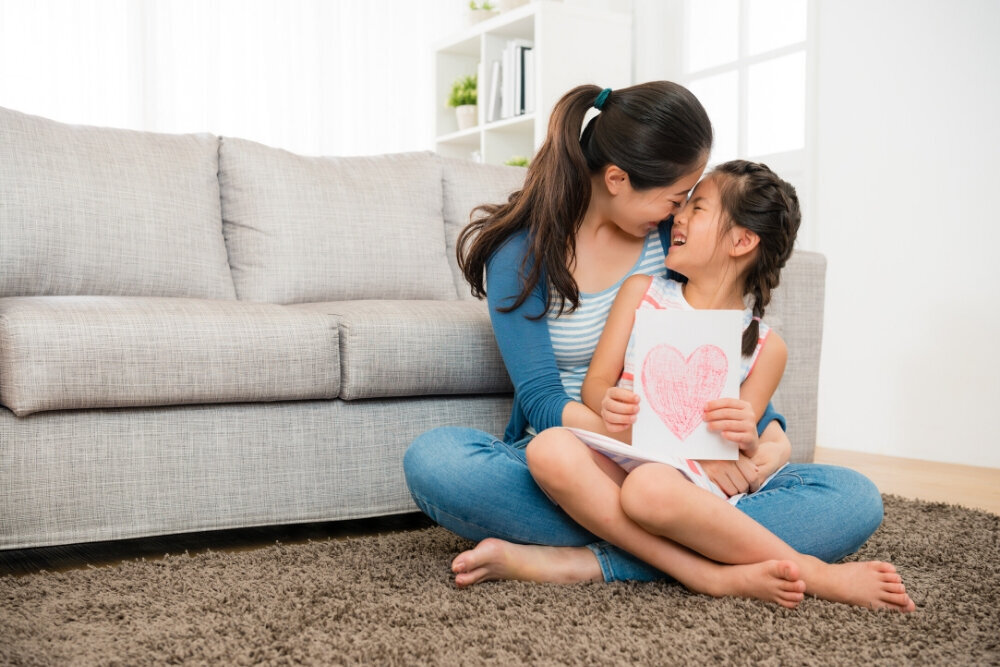
We’re all experiencing physical distancing differently. Some of us are enjoying a slower pace and having fun connecting more deeply with our families. Others can’t relate to “slower pace” at all, because they’re working, helping kids with schoolwork, keeping house, and cooking 382 meals a week. Others, still, feel both extremes, careening between boredom and overwhelm. And that’s all okay! No matter where you are on this emotional roller coaster, for Mother’s Day, try to slow down and enjoy your kids. It’s the best gift you could give yourself - and them!
The days are long, but the weeks are short.
It’s true. One minute your kids are sweet-smelling, cooing infants. The next, they’re playing three sports and eating you out of house and home. The time goes by in a flash! The article, “Enjoy Your Kids,” from Pathways to Wellness, is a great reminder to work on being more present and less perfect so your time with your kids won’t pass in a busy blur.
You can be a more present parent, with these helpful tips for mindful parenting:
Mindfulness can be messy.
Those dishes in the sink will still be there in an hour. But your chance to splash in rain puddles with your son may have passed by then. Give yourself permission to make a mess, or put off a chore in favor of making a memory with your child.Help when asked.
You won’t always be able to drop everything to help, but get into the habit early of acknowledging problems and helping your kids find solutions. One day, their problems will be bigger, and you’ll want them to come to you.
Related: Helping Kids Find BalanceAccept the bad times.
Tears, temper tantrums, and sibling arguments are just part of the package. When you remember that and understand that worry, hunger, tiredness, or testing limits are at the root of the issue, it’s easier to deal with the bad times.Put away the toys. (especially the electronic ones!)
Whether you’re letting your kids play on devices, or you’re often glued to a screen, it’s time to take a break. Do a craft, play a game, have a chat - do something together that doesn’t involve a phone or computer.Keep the conversation going.
Talking and singing to your little ones builds their vocabulary and improves their ability to learn. So keep up the chatter!Relive it through writing.
Journaling has all kinds of good benefits, but when you write about your kids’ funny saying, temper tantrum over something ridiculous, soccer goal, college acceptance, or school play helps you relive those special moments.
There’s one piece of advice I’ve decided to take—to be present, and to enjoy my child the best I can.
Happy Mother’s Day!
How Meditation Changes Your Brain
Meditation, the practice of thinking deeply or focusing one’s mind with the goal of obtaining feelings of relaxation and inner peace, is a beneficial tool with numerous health benefits. Now, in our current, stress-filled environment, it can really come in handy. Learn how meditation changes your brain for the better, and start the calming practice today.

Meditation, the practice of thinking deeply or focusing one’s mind on an object, thought, or activity with the goal of obtaining feelings of relaxation and inner peace, is a beneficial tool with numerous health benefits. Now, in our current, stress-filled environment, it can really come in handy. What’s fascinating is that meditation not only calms your mind in the moment, but it also changes your brain’s structure.
Meditation has been around for centuries, but scientists are just beginning to study its effects on the human body. One segment of research focuses on how meditation impacts the brain, from changes in brain volume to decreasing activity in the stress centers of the brain.
Related: Train Your Brain to Ditch Bad Habits and Form New, Better Ones
In one study, researchers were astonished to find in their subject increased activity in his left prefrontal cortex (responsible for subduing negative emotions) and abnormal gamma wave levels (suggesting signs of bliss) due to his decades spent meditating.
Key Changes in the Brains of Meditators
Some studies suggest practicing mindfulness meditation can actually change the structure of the brain. When we repeat motions or even thoughts enough, we deepen pathways in our brains. This ability of our brains to change is called neuroplasticity, and it’s why our brains can change physically after regularly practicing meditation. Meditating regularly (as little as 10-20 minutes, three times a week) can enlarge your prefrontal cortex, which is responsible for rational decision-making, enlarge your hippocampus, responsible for learning and memory, and shrink your amygdala, the emotional and fear center of the brain.
Meditation and Stress Regulation
Meditation can be a very effective stress management tool. By training the mind, and triggering a relaxation response, we are better able to deal with life’s stressors - the coronavirus, the economy, working from home with the kids underfoot, etc.
How Meditation Can Help Improve Focus and Concentration
In today’s busy world, everyone has trouble keeping focus from time to time. Perhaps not surprisingly, scientists say there’s reason to believe that meditation can help. That meditative practice of keeping your mind focused strengthens the parts of your brain related to focus, so you’re better able to maintain focus and concentration, even when you’re not meditating.
Meditation and Immunity
Researchers have determined that there is a direct correlation between the brain and the immune system, i.e., our thoughts and feelings affect our overall health.
Related: Want to Feel Better? Spend Time Outdoors!
New to meditation? Start with intentional breathing techniques a few minutes a day to clear your mind and reduce stress. Then move on to an app, like Calm or Headspace, to deepen your mindfulness practices. One of the best things about meditation is that it’s portable; you can do it anywhere, with no special equipment. All you need to reduce your stress and improve your focus is a few minutes and quiet place.