
The Three Ts of Chiropractic: Toxins, Traumas and Thoughts
Back in 1910, D.D. Palmer, the founder of chiropractic, identified the three main causes of spinal misalignments, or subluxations, as toxins, traumas and thoughts. These three Ts are just as relevant today, over a hundred years later! How do these three Ts affect your nervous system? Let’s take a look:
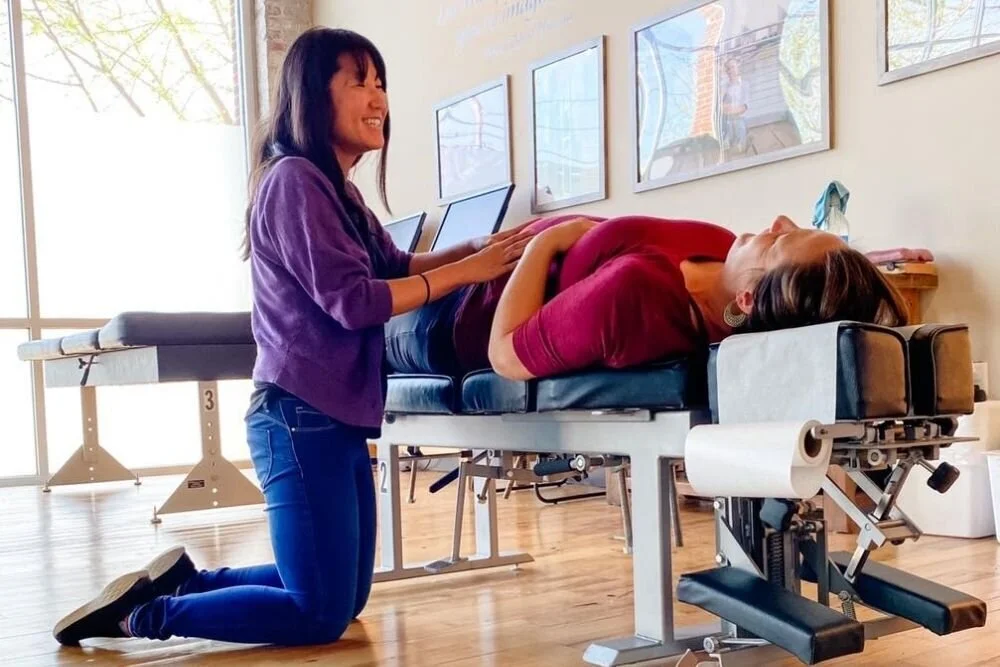
Back in 1910, D.D. Palmer, the founder of chiropractic, identified the three main causes of spinal misalignments, or subluxations, as toxins, traumas and thoughts. These three Ts are just as relevant today, over a hundred years later! How do these three Ts affect your nervous system? Let’s take a look:
Toxins
Toxins are everywhere! Toxins are sometimes hard to identify. We see toxins as antibiotics, preservatives, hormones, etc. in processed foods, pollution in our environment, chemicals in our cleaning supplies, and sometimes even in the water we drink. These toxins can cause interference with how our nervous system communicates. When our bodies are disrupted by these toxins, homeostasis (equilibrium) within them becomes imbalanced.
If toxins are everywhere, what are some things you can do to rid your body of them?
Drinking water is very important to maintaining homeostasis. A spine under stress without enough water can lead to degenerative changes over time that are harder to reverse! Drinking plenty of water is also an excellent way to help your body flush out toxins.
Get plenty of sleep. Sleep is critical for many reasons. In this instance, it’s because sleep is part of our bodies’ natural process for removing toxins.
Exercise regularly to help your kidneys, lungs and colon work efficiently to get rid of waste. It also promotes better circulation, which helps our organs cleanse themselves.
Chiropractic care is about correcting subluxation so that our nervous system can communicate effectively, and our body can adapt to these chemical stresses better. Being more adaptable and resilient creates more homeostasis/health inside.
Traumas
When we talk about trauma in chiropractic, we’re generally talking about physical trauma.
Think back to a time when you had your major head bump, or maybe fall from a tree as a child. This would be an example of a form of isolated, or single, trauma. It’s not hard to imagine how a car wreck or bad fall could lead to a spinal misalignment.
Now, think of common habits that you have everyday, like wearing your purse on the same side of your body, looking down at our phones or computers for long periods of time, wearing high heels, carrying your child on the same hip every time, or sleeping on your stomach.
These are repetitive traumas that can be overlooked or undetected at first but can lead to larger disruptions in our nervous system by building up over time.
Both single and repetitive traumas lead to interferences within our nervous system. With the help of continual chiropractic care, however, interferences can be corrected and caught before leading to bigger problems.
Thoughts
Our thoughts, mindset, and mental health can affect our physical health. In chiropractic, we talk about how the quality of our thoughts affect the body’s ability to adapt to life, the environment, and our health.
If our adaptability is reduced due to stress, this can make it harder to function optimally day to day.
Consider the fight or flight response you experience in frightening or stressful situations. This stress response is beneficial in the short term, but a constant state of stress can lead to spinal subluxations that keep our bodies from operating at their best.
When we have stressful thoughts, we may experience this as anxiety or excessive worry.
We may start to see this affect our sleep and digestive system, and we may also have more tension in the body, specifically our necks and upper backs.
Learning how to breathe deeply and practice mindfulness are ways to calm our thoughts and minds, and chiropractic can correct subluxations caused by our physical responses to stress and worry.
Our aim is to help families – especially pregnant moms and kids -- regain and maintain their health by correcting subluxations, structural misalignments, in the spine. This type of care goes beyond mere symptom relief and helps to improve the function and health of the entire body. Contact us to experience life with a clear and connected nervous system.
Chiropractic's Role in Managing Anxiety & Depression
Exciting new research published in the Annals of Vertebral Subluxation Research shows that you may find relief from anxiety and depression through chiropractic care.

If you or someone you love suffers from anxiety or depression, you may find relief from your symptoms through chiropractic care.
“Basic science research shows that the proper development and function of the brain relies on proper structure and movement of the spine from an early age.”
Recent research published in the Annals of Vertebral Subluxation Research followed a 30-year old patient who had been diagnosed with clinical depression and anxiety and had suffered for more than eight years. She was lethargic, experienced panic attacks and had trouble sleeping. None of the medications she was taking were helping.
Her chiropractor took X-rays that revealed multiple abnormalities: a loss of the normal curve in her neck, structural shifts in her spine, and forward head posture. Further nerve testing confirmed that vertebral subluxations were obstructing her nerves.
Related: Upgrade Your Life with an Attitude of Gratitude
After chiropractic care, her posture improved, and so did her symptoms of mental illness. She began sleeping and had more energy, her anxiety and depression resolved, her quality of life improved, and she was able to stop taking all medications for depression and anxiety.
Source: The Chronicle of Chiropractic. Read the full article.