
Finding Motivation When Times are Hard
2020 is throwing all kinds of difficult situations and emotions at us, and it can be tough to stay motivated when all the headlines are doom and gloom. An important key to finding motivation when times are hard, like now, is to focus less on the things you can’t control and more on the things you can.

2020 is throwing all kinds of difficult situations and emotions at us, and it can be tough to stay motivated when all the headlines are doom and gloom. An important key to finding motivation when times are hard, like now, is to focus less on the things you can’t control and more on the things you can.
Pathways to Family Wellness offers some sage advice to help you focus on the positive and find motivation during these trying times:
Choose determination over desperation.
Determination offers hope, so take action every day toward making your life better. Go for a walk, meditate, take an online course or read an article about something you want to learn - do something each day that moves your life in a positive direction.
Uplift yourself.
When you do something uplifting, you produce neuropeptides that “echo feelings of happiness, contentment, excitement, joy and hope.” Be proactive about doing things that uplift you, like listening to music, playing games, watching funny TV shows, or dancing the kitchen with your kids.
Appreciate everything.
When you’re feeling down, pause and think about happy memories. Remember the joy and contentment you felt in that moment, and bring those feelings into the present. You can also reflect on the many blessings in your life - food on the table, friends and family, happy flowers in your yard - anything you appreciate having in your life right now. If you need help practicing gratitude each day, you can start with our 30 Days of Gratitude blog series for prompts.
Learn to live with less.
Our “keep up with the Jones’s” lifestyles leave us wanting more. Stop spending energy thinking about what you don’t have, and appreciate what you do. Then start to declutter and find greater joy with the things you choose to keep. Less clutter = less stress. Plus, spending less time cleaning, organizing, and moving stuff around means you’ll have more time to enjoy activities and people that make you happy.
Forgive yourself.
This is a big one, isn’t it? Stop beating yourself up about mistakes or things you think you could have done better. Carrying that mental weight around isn’t serving so, you let it go.
Breathe.
Whenever you’re feeling anxious, sad, or worried, take a deep breath. Bring yourself into the present, and choose to feel peaceful. This belly breathing exercise with Dr. Joe and Luna is a good place to start, if you want guidance with this.
Relax your muscles.
Do you feel tense when you’re anxious? When you take that deep breath, also relax your muscles and let go of the tension they’re carrying.
This too shall pass.
The hard time you’re experiencing now is temporary. Take one day at a time, and remember that our struggles make us stronger in the long run.
Tapping into your power of positive thinking can set you up for greater happiness and hope, even in trying times. If you find that this isn’t enough, however, get the professional help you need to feel better.
Get more information by reading the full article, Staying Motivated in Tough Times.
Belly Breathing with Dr. Joe and Luna
Are you feeling mental strain from the pandemic? If you are, you’re not alone. New CDC data shows that a third of Americans are feeling symptoms of anxiety or depression thanks to the coronavirus pandemic. We’ve talked before about the benefits of deep breathing, and now, Dr. Joe and Luna are here to show you and your kids how to do belly breathing exercises that will calm your mind and relax your nervous system during anxious or stressful times.
Are you feeling mental strain from the pandemic? If you are, you’re not alone. New CDC data shows that a third of Americans are feeling symptoms of anxiety or depression thanks to the coronavirus pandemic. We’ve talked before about the benefits of deep breathing, and now, Dr. Joe and Luna are here to show you and your kids how to do belly breathing exercises that will calm your mind and relax your nervous system during anxious or stressful times.
12 Things Pregnant Women Can Stop Worrying About
When you’re pregnant, you worry about all kinds of things. And when you’re pregnant during a pandemic, your stress level may hit new highs as you add new worries to your list. We’ve found a list of 12 things you can stop worrying about, so you can stress less and enjoy your pregnancy more.

When you’re pregnant, you worry about all kinds of things. And when you’re pregnant during a pandemic, your stress level may hit new highs as you add new worries to your list. We’ve found a list of 12 things you can stop worrying about, so you can stress less and enjoy your pregnancy more.
Dr. Aviva Romm is an obstetrician, a midwife, a mother of four, and an advocate for blending natural and conventional medicine for your best health. She’s compiled this list of 12 things pregnant women can stop worrying about, and she reminds us that most babies are born healthy. Those that aren’t tend to have health issues that aren’t your fault. Instead of worrying about the what if's, it can be helpful to make educated choices and pay attention to the risks that you can avoid.
“Most babies are born healthy – even perfect. And when there is a problem, it’s just not your fault. Period.”
Here’s her list of 12 things to stop worrying about:
Harming your baby.
If you’re reading this, you’re probably already avoiding the most dangerous activities for your babies, like drinking in excess or using drugs. Chances are, you’re not going to do anything that could harm your baby.Eating for two.
The need to eat for two is a myth. During your first and second trimesters, you don’t need to increase your caloric intake. During your final trimester, you only need to add about 300 calories to what you’d normally eat. This is not the time to throw your usual healthy diet out the window! What matters more than the calories you consume is eating a variety of nutritious foods to support your body and your baby during pregnancy. (see Embrace Real Food for Pregnancy)Having sex during pregnancy.
It’s totally fine to have sex during pregnancy if you feel comfortable and safe to do so. If you're concerned about your partner passing a disease on to your baby this would be a good conversation to have with your midwife or doctor. Also, if you’re experiencing symptoms of pre-term labor, miscarriage, or your have placenta previa, avoid sex until you’ve been cleared by your midwife or doctor.Eating foods that could give your baby allergies.
Unless you need to avoid certain foods for your own allergies or health concerns, there’s no need to restrict certain foods while pregnant. In fact, eating a wide variety of nutritious foods may actually be more beneficial to your baby, in terms of allergy prevention and overall health.Sleeping on your back.
This is not something to worry about until you’re six months pregnant. And even then, don’t panic if you wake up on your back! Yes, that position can restrict blood flow to you and your baby, but it’s unlikely that briefly sleeping on your back will harm your baby.Stress during pregnancy.
Normal daily stress won’t harm your baby’s long-term mental health. Extreme stress, like living in a war zone or with domestic violence, may be a different story. For most of us, though, stressing about our stress is unproductive. Try practicing gratitude instead. Check out our 30 Days of Gratitude blogs for daily prompts!Being a vegan or vegetarian.
It’s totally possible to have a healthy pregnancy as a vegan or vegetarian. You may have to try a little harder to incorporate plenty of protein, calcium and iron, though. Talk to your midwife, doctor or nutritionist to make sure you’re meeting your nutritional needs while pregnant.Normal pregnancy symptoms.
Bleeding gums, a stuffy nose, and sensitivity to certain smells are just a few of the weird symptoms you may experience while pregnant. Educate yourself about pregnancy symptoms, so you’ll know what’s normal and what’s not. Talk with your midwife or doctor about any that seem serious, then let the others go.What labor will be like.
”The best thing you can do is prepare for labor.” Very few women will tell you their labors went exactly as planned. Our babies and our bodies will dictate what actually happens, so be gentle with yourself. Take birthing classes, learn about the kind of birth you’d like to have, then “move gracefully through any obstacles on the way.”Dying.
Death is a fear shared by many pregnant women, but the reality is that the infant mortality rate is very low, as is the chance of a healthy woman dying in childbirth. Try journaling about your thoughts, and talk to your doctor or a therapist if you just can’t shake this fear.What other people think.
Your mom, your sister, your best friend and even the random stranger at the store all have their own ideas about what you should and shouldn’t do while pregnant. And while their opinions have good intentions, the only opinion that matters is yours and the choices that are healthy and comfortable for you.Being “The Perfect Mom”
The perfect mom doesn't exist! You’ll get things right, you’ll make mistakes, and it’s all okay. Your baby needs you to love her, take good care of her, and be present with her.
How to Handle Your Worries
So what can you do when your brain goes into overdrive, worrying about your baby’s health and yours? Dr. Romm suggests these tools for calming your mind and easing your worries.
Laugh more
Practice meditation (see How Meditation Changes Your Brain)
Keep a journal
Talk it out
We wish you a happy and healthy pregnancy!
For information on what to eat during pregnancy, moving meditation, pregnancy and COVID-19, and making healthier choices during pregnancy, check out our Pregnancy & Birth blogs.
How Meditation Changes Your Brain
Meditation, the practice of thinking deeply or focusing one’s mind with the goal of obtaining feelings of relaxation and inner peace, is a beneficial tool with numerous health benefits. Now, in our current, stress-filled environment, it can really come in handy. Learn how meditation changes your brain for the better, and start the calming practice today.
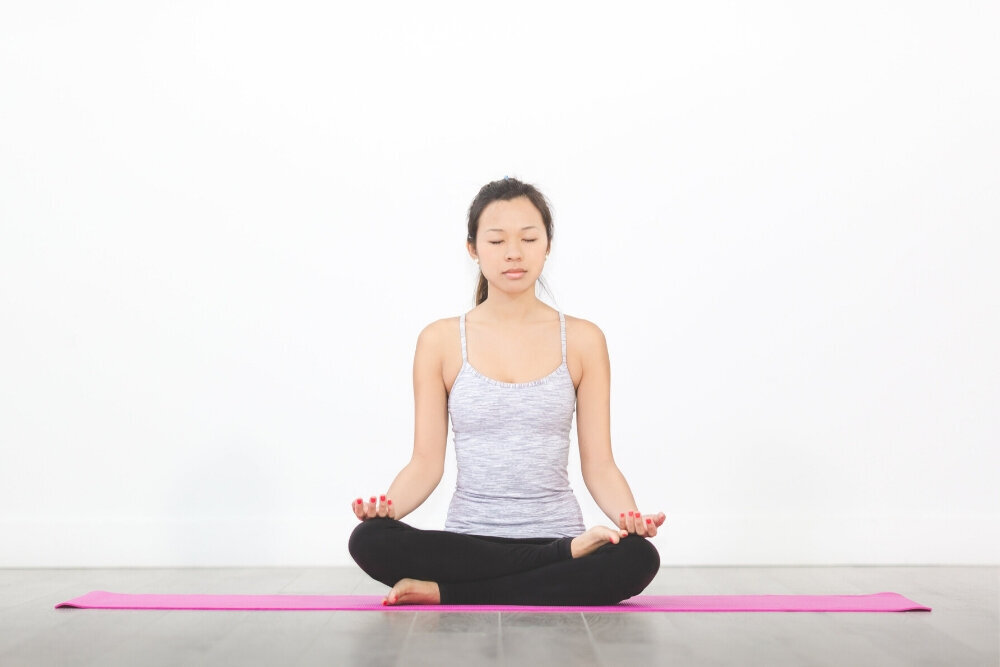
Meditation, the practice of thinking deeply or focusing one’s mind on an object, thought, or activity with the goal of obtaining feelings of relaxation and inner peace, is a beneficial tool with numerous health benefits. Now, in our current, stress-filled environment, it can really come in handy. What’s fascinating is that meditation not only calms your mind in the moment, but it also changes your brain’s structure.
Meditation has been around for centuries, but scientists are just beginning to study its effects on the human body. One segment of research focuses on how meditation impacts the brain, from changes in brain volume to decreasing activity in the stress centers of the brain.
Related: Train Your Brain to Ditch Bad Habits and Form New, Better Ones
In one study, researchers were astonished to find in their subject increased activity in his left prefrontal cortex (responsible for subduing negative emotions) and abnormal gamma wave levels (suggesting signs of bliss) due to his decades spent meditating.
Key Changes in the Brains of Meditators
Some studies suggest practicing mindfulness meditation can actually change the structure of the brain. When we repeat motions or even thoughts enough, we deepen pathways in our brains. This ability of our brains to change is called neuroplasticity, and it’s why our brains can change physically after regularly practicing meditation. Meditating regularly (as little as 10-20 minutes, three times a week) can enlarge your prefrontal cortex, which is responsible for rational decision-making, enlarge your hippocampus, responsible for learning and memory, and shrink your amygdala, the emotional and fear center of the brain.
Meditation and Stress Regulation
Meditation can be a very effective stress management tool. By training the mind, and triggering a relaxation response, we are better able to deal with life’s stressors - the coronavirus, the economy, working from home with the kids underfoot, etc.
How Meditation Can Help Improve Focus and Concentration
In today’s busy world, everyone has trouble keeping focus from time to time. Perhaps not surprisingly, scientists say there’s reason to believe that meditation can help. That meditative practice of keeping your mind focused strengthens the parts of your brain related to focus, so you’re better able to maintain focus and concentration, even when you’re not meditating.
Meditation and Immunity
Researchers have determined that there is a direct correlation between the brain and the immune system, i.e., our thoughts and feelings affect our overall health.
Related: Want to Feel Better? Spend Time Outdoors!
New to meditation? Start with intentional breathing techniques a few minutes a day to clear your mind and reduce stress. Then move on to an app, like Calm or Headspace, to deepen your mindfulness practices. One of the best things about meditation is that it’s portable; you can do it anywhere, with no special equipment. All you need to reduce your stress and improve your focus is a few minutes and quiet place.
Moving Meditation During Pregnancy Calms Your Mind and Body
Walking is an excellent form of exercise at all stages of your pregnancy, and you may also find that walking gives you time to clear your head and calm your mind. You can take the benefits even further with a breath walk - a form of walking meditation.
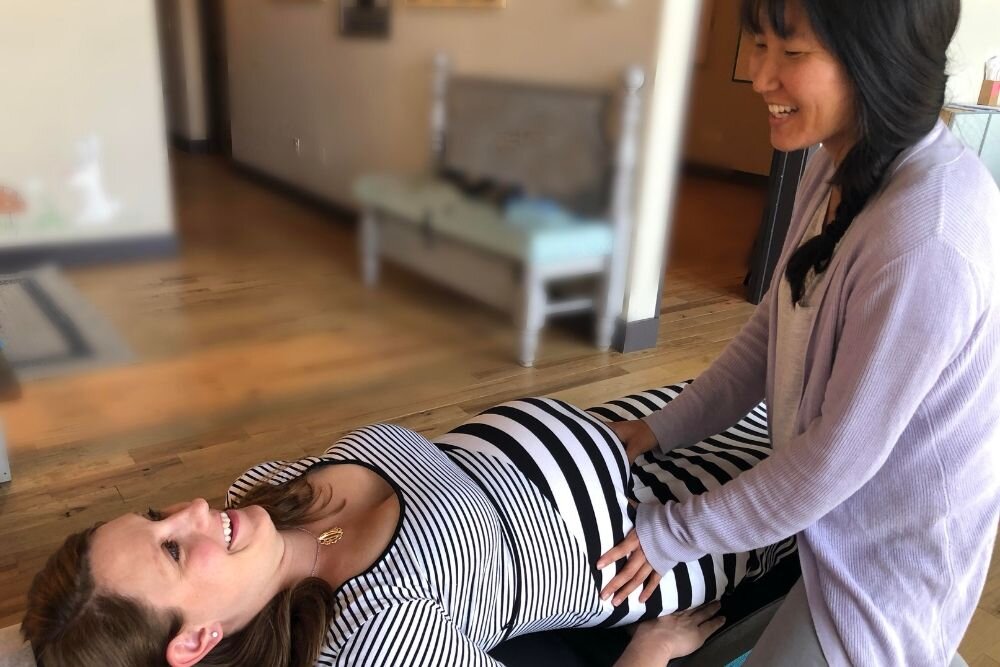
Walking is an excellent form of exercise at all stages of your pregnancy, and you may also find that walking gives you time to clear your head and calm your mind. You can take the benefits even further with a breath walk - a form of walking meditation.
When you’re getting started, find a quiet place with some room to move. With your feet shoulder-width apart, take several deep breaths. Relax your jaw, neck and shoulders, then begin breathing in a four-part rhythm:
Breathe in for four counts.
Hold your breath for four counts.
Exhale for eight counts.
Hold your breath for four counts.
Do this a few times to get used to the pattern, then begin coordinating steps with your breathing. At first, take a step with each inhale and exhale, pausing while you hold your breath. If you want to speed things up a tad, you can take four steps with each inhale and four steps with each exhale.
These breath walks are excellent preparation for childbirth and beyond, because you’re learning to “mindfully multitask.” Most women are able to walk comfortably during early stages of labor; consider doing a breath walk to calm your mind.
Learn more about breath walks in Breath Walk for Pregnancy, and learn about eight choices you can make for a healthy pregnancy on our blog.
Source: Pathways to Family Wellness magazine, Issue #26.