
How Meditation Changes Your Brain
Meditation, the practice of thinking deeply or focusing one’s mind with the goal of obtaining feelings of relaxation and inner peace, is a beneficial tool with numerous health benefits. Now, in our current, stress-filled environment, it can really come in handy. Learn how meditation changes your brain for the better, and start the calming practice today.
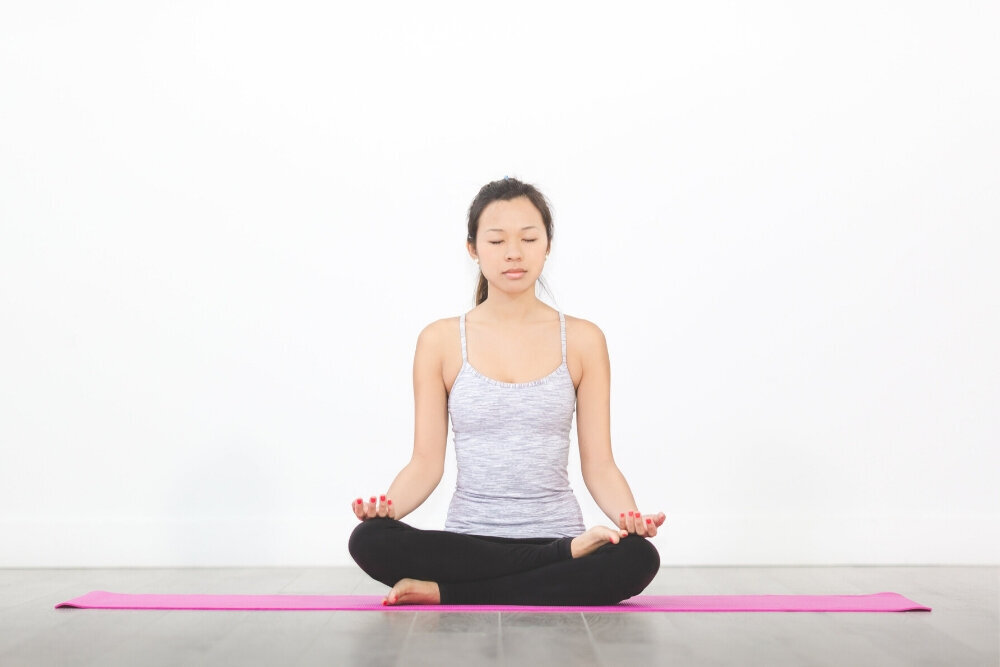
Meditation, the practice of thinking deeply or focusing one’s mind on an object, thought, or activity with the goal of obtaining feelings of relaxation and inner peace, is a beneficial tool with numerous health benefits. Now, in our current, stress-filled environment, it can really come in handy. What’s fascinating is that meditation not only calms your mind in the moment, but it also changes your brain’s structure.
Meditation has been around for centuries, but scientists are just beginning to study its effects on the human body. One segment of research focuses on how meditation impacts the brain, from changes in brain volume to decreasing activity in the stress centers of the brain.
Related: Train Your Brain to Ditch Bad Habits and Form New, Better Ones
In one study, researchers were astonished to find in their subject increased activity in his left prefrontal cortex (responsible for subduing negative emotions) and abnormal gamma wave levels (suggesting signs of bliss) due to his decades spent meditating.
Key Changes in the Brains of Meditators
Some studies suggest practicing mindfulness meditation can actually change the structure of the brain. When we repeat motions or even thoughts enough, we deepen pathways in our brains. This ability of our brains to change is called neuroplasticity, and it’s why our brains can change physically after regularly practicing meditation. Meditating regularly (as little as 10-20 minutes, three times a week) can enlarge your prefrontal cortex, which is responsible for rational decision-making, enlarge your hippocampus, responsible for learning and memory, and shrink your amygdala, the emotional and fear center of the brain.
Meditation and Stress Regulation
Meditation can be a very effective stress management tool. By training the mind, and triggering a relaxation response, we are better able to deal with life’s stressors - the coronavirus, the economy, working from home with the kids underfoot, etc.
How Meditation Can Help Improve Focus and Concentration
In today’s busy world, everyone has trouble keeping focus from time to time. Perhaps not surprisingly, scientists say there’s reason to believe that meditation can help. That meditative practice of keeping your mind focused strengthens the parts of your brain related to focus, so you’re better able to maintain focus and concentration, even when you’re not meditating.
Meditation and Immunity
Researchers have determined that there is a direct correlation between the brain and the immune system, i.e., our thoughts and feelings affect our overall health.
Related: Want to Feel Better? Spend Time Outdoors!
New to meditation? Start with intentional breathing techniques a few minutes a day to clear your mind and reduce stress. Then move on to an app, like Calm or Headspace, to deepen your mindfulness practices. One of the best things about meditation is that it’s portable; you can do it anywhere, with no special equipment. All you need to reduce your stress and improve your focus is a few minutes and quiet place.
Chiropractic's Role in Managing Anxiety & Depression
Exciting new research published in the Annals of Vertebral Subluxation Research shows that you may find relief from anxiety and depression through chiropractic care.

If you or someone you love suffers from anxiety or depression, you may find relief from your symptoms through chiropractic care.
“Basic science research shows that the proper development and function of the brain relies on proper structure and movement of the spine from an early age.”
Recent research published in the Annals of Vertebral Subluxation Research followed a 30-year old patient who had been diagnosed with clinical depression and anxiety and had suffered for more than eight years. She was lethargic, experienced panic attacks and had trouble sleeping. None of the medications she was taking were helping.
Her chiropractor took X-rays that revealed multiple abnormalities: a loss of the normal curve in her neck, structural shifts in her spine, and forward head posture. Further nerve testing confirmed that vertebral subluxations were obstructing her nerves.
Related: Upgrade Your Life with an Attitude of Gratitude
After chiropractic care, her posture improved, and so did her symptoms of mental illness. She began sleeping and had more energy, her anxiety and depression resolved, her quality of life improved, and she was able to stop taking all medications for depression and anxiety.
Source: The Chronicle of Chiropractic. Read the full article.