
Pregnancy Ball Exercises
Whether you’re feeling discomfort in pregnancy or you’re simply looking for ways to prepare your body for labor, try exercising with a fitness ball. A fitness ball is a good exercise aid for pregnant women because it provides the support you need and gently works your abdominal muscles without putting pressure on your back or pelvis.
Whether you’re feeling discomfort in pregnancy or you’re simply looking for ways to prepare your body for labor, try exercising with a fitness ball. A fitness ball is a good exercise aid for pregnant women because it provides the support you need and gently works your abdominal muscles without putting pressure on your back or pelvis.
The pregnancy ball exercises Dr. Becky explains in the video can help relieve tension or pressure in your hips and lower back. Plus, they’re a great addition to your chiropractic care for promoting balance and preparing for birth.
Doing these exercises regularly is one of the best ways to prepare for labor. The pregnancy ball exercises are low-intensity, and they:
aid overall comfort
strengthen your lower back
support the pelvis
balance your ligaments and muscles
*If any of these movements cause pain, stop and contact your health care provider.
Follow us on YouTube for other helpful videos for the whole family.
Pregnancy, Breastfeeding and COVID-19
COVID-19, the respiratory illness caused by the Coronavirus, is a new disease. We are still learning about its severity, how it spreads, and who is at most risk. Pregnant women and breastfeeding mothers, naturally, are concerned about what it means for them and their babies.
While much is still unknown about the virus, what we do know about this virus is reassuring for pregnant and breastfeeding women.
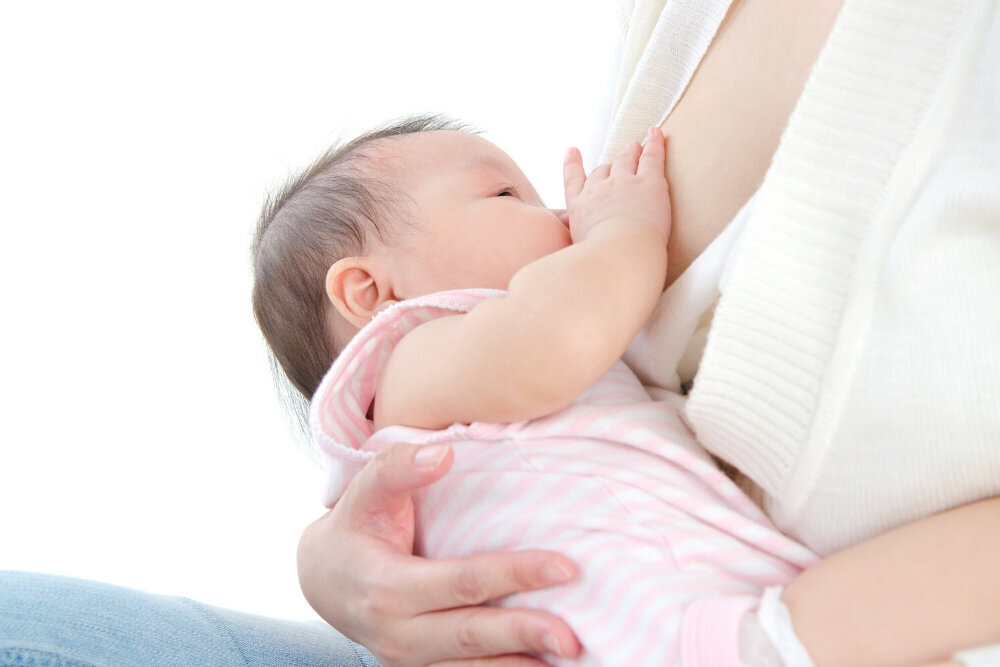
COVID-19, the respiratory illness caused by the Coronavirus, is a new disease. We are still learning about its severity, how it spreads, and who is at most risk. Pregnant women and breastfeeding mothers, naturally, are concerned about what it means for them and their babies.
While much is still unknown about the virus, what we do know about this virus is reassuring for pregnant and breastfeeding women.
Pregnancy
According to preliminary studies, it does not appear that pregnant moms can pass COVID-19 to their babies in utero. Babies born to moms with COVID-19 have not tested positive for the virus at birth. Additionally, a small study published in The Lancet, following cases of 9 pregnant women from early in the outbreak, showed their symptoms were mild to moderate, none of the women developed severe complications, none died, and their babies were generally healthy.
“Based on the data we have so far, it seems that, for some reason, women – including pregnant women – experience less severe infection than men.”
Pregnant women do still tend to be more susceptible to respiratory illnesses, including pneumonia, especially if they have pregnancy complications or chronic conditions. That said, pregnant women don’t seem to be at higher risk of contracting COVID-19. Regardless, protect your health and the people around you by washing your hands often and well, staying away from anyone who’s showing signs of illness, and contacting your doctor at the first sign of any symptom.
Related: Embrace Real Food for Pregnancy
Should you continue to visit your doctor for prenatal care? You don’t want to neglect your baby’s or your own health, so it can be hard to know what to do. Contact your doctor’s office to see what safety precautions they’re taking and what they recommend for you. Many doctors are shifting to more telemedicine appointments, so you may have the option of having a virtual visit.
Breastfeeding
So, what are the recommendations for breastfeeding moms who are showing symptoms or are confirmed to have COVID-19? The CDC has published Interim Guidance on Breastfeeding for a Mother Confirmed or Under Investigation For COVID-19 based on what is currently known about COVID-19 and the transmission of other viral respiratory infections. The CDC will continue to update the guidelines as additional information becomes available, so reading and following those instructions is a great place to start.
“Bottom line: with the rare exception of a severe infection in mom, breastfeeding is recommended, even if mom has COVID-19.”
COVID-19 has not been detected in the breast milk of mothers with confirmed cases of the virus. Currently, the primary concern is not whether the virus can be transmitted through breast milk, but whether an infected mother can transmit the virus through respiratory droplets while breastfeeding.
If you have confirmed COVID-19 or you’re showing symptoms, the most important thing you can do is take precautions to avoid spreading the virus to your baby. Wash your hands before touching your baby, and wear a face mask (if possible) while breastfeeding. If you express your breast milk, wash your hands before touching any pump or bottle parts and properly clean and disinfect the pump and its parts after each use. You’re probably doing these things already! Plus, if you have COVID-19, consider having someone who is uninfected feed your baby expressed milk with a bottle.
If you’re well now and are able to pump, it’s a good idea to ‘stockpile’ some breast milk and freeze it, in the event you do contract the virus. That way, you’ll have breast milk set aside and ready in case you need or want help feeding your baby while you’re unwell.
Learn more about COVID-19, Pregnancy and Breastfeeding from Dr. Aviva Romm.
Embrace Real Food for Pregnancy
Prenatal nutrition can be confusing. We all want the best for our babies, but an astonishing amount of what we’ve been told about pregnancy nutrition is not backed by current research. In her book, Real Food for Pregnancy, Lily Nichols dives into this topic and explains why expecting mothers should embrace real food for pregnancy.
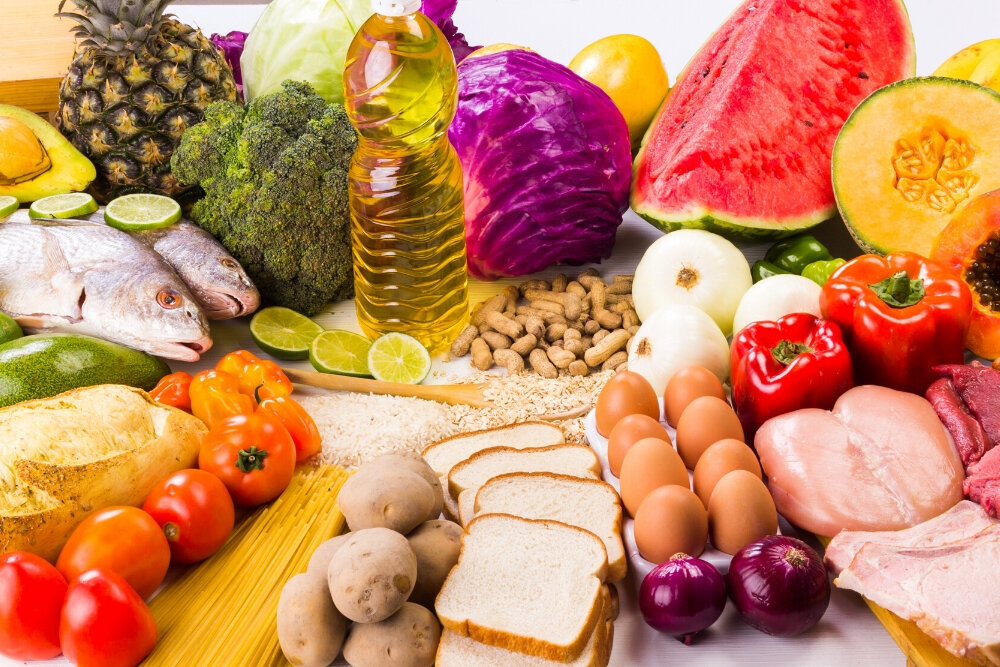
Prenatal nutrition can be confusing. We all want the best for our babies, but an astonishing amount of what we’ve been told about pregnancy nutrition is not backed by current research.
“Nutrient requirements during pregnancy are usually calculated by adding an increment to the value for nonpregnant and nonlactating women that covers the cost of fetal growth and development and the associated changes in maternal tissue metabolism. This factorial approach, however, may not necessarily be correct because it does not take into account metabolic changes in absorption or excretion.”
In her book Real Food for Pregnancy, registered dietitian/nutritionist and certified diabetes educator Lily Nichols delves into the gap between current prenatal guidelines and what’s optimal for both mother and baby. The book is meticulously researched and breaks down the myths of what you should and shouldn’t eat, the importance of prenatal exercise, and nutritional ways to manage morning sickness, heartburn, food aversions, etc. In short she explains why it’s important to embrace real food for pregnancy.
So, what is “real food”? Simply put, real food is made with simple ingredients that are as close to nature as possible and not processed in a way that removes nutrients. Real food is nutrient-dense, delicious, and satisfying.
Top 10 Real Foods for a Healthy Pregnancy
Eggs (with the yolks!) Eggs should be a part of every prenatal diet. They are packed with protein, B-vitamins, choline, minerals, vitamins A, D, E, and K, and the brain-building omega-3 fat, DHA.
Liver Boasting high levels of every B-vitamin (including folate), choline, iron, zinc, and all the fat-soluble vitamins (A, D, E and K), liver is a veritable multivitamin. If you still can’t stomach liver (or don’t have access to high-quality, grass-fed liver), consider taking a liver supplement.
Kale No prenatal diet is complete without leafy greens; they’re some of the richest dietary sources of folate. Kale is also packed with magnesium and potassium, fiber, vitamin C, beta-carotene, and many antioxidants.
Wild Salmon Omega-3 fats, including DHA, have gotten more attention in recent years for their role in brain and vision development. The number one source for DHA is cold water fish like wild salmon. It’s also low in mercury, so you can safely consume it during pregnancy. If broiled or grilled salmon isn’t your thing, consider making salmon cakes or opting for salmon in your favorite tuna salad recipe.
Slow Cooked Meat Tough cuts of meat are rich in connective tissue that breaks down over the course of long, slow cooking. This connective tissue is rich in the amino acid glycine. During pregnancy, researchers have found that glycine needs far exceed normal requirements, meaning pregnant women need to consume enough glycine from their diet to help not only the baby develop, but to support the growth of the uterus. Beef stew is an excellent source of glycine, as well as protein, iron, zinc, vitamin B6, and vitamin B12.
Bone Broth Like slow cooked meat, bone broth is full of glycine. It’s also a fantastic source of calcium and magnesium. If you can’t or won’t do bone broth on a regular basis, try adding a scoop or two of collagen peptides to beverages, soups, oatmeal, mashed sweet potatoes, etc. to give you the benefits without the broth.
Seaweed Seaweed is one of the best sources of iodine, a mineral that many of us lack, in the diet. Pregnancy increases iodine needs by 50%. Get your fix with seaweed salad or crunchy seaweed snacks, or toss a chunk of dried kombu into your next pot of bone broth.
Avocado One way to help keep morning sickness at bay (or help manage it) is to eat foods rich in vitamin B6 and potassium. Avocados are rich in both, plus healthy fat and 10g of fiber.
Sauerkraut Traditional sauerkraut – the kind made by fermenting salted cabbage – is rich in probiotic bacteria. Probiotic-rich, fermented foods are important during pregnancy because as a mom, you pass on your bacteria to your baby. Having a healthy balance of bacteria in your body sets the stage for good digestion and a healthy immune system for your baby as well.
Full-fat Kefir or Yogurt Dairy is an excellent source of calcium and other minerals. When you purchase full-fat, you get the benefit of fat-soluble vitamins, which ensures you absorb all those minerals. And, since these two dairy products are fermented, you benefit from probiotics. Choose dairy products from grass-fed or pasture-raised animals to ensure the highest levels of fat-soluble vitamins.
Related: 8 Choices for a Healthier Pregnancy
What is covered in Real Food for Pregnancy:
Misconceptions of conventional prenatal nutrition.
Nutrient-dense foods to eat to “build a healthy baby” and which to avoid, including the latest evidence on fish and mercury, food safety and deli meat, etc.
Why a vegetarian or vegan diet may not be the best idea during pregnancy and what nutrients/supplements to consider if you choose a vegetarian diet.
Nutritional management of nausea, food aversions, heartburn, constipation, and preeclampsia.
Lab tests, supplements, and other proactive steps to support a healthy pregnancy.
Prenatal exercise – what’s safe, what’s not, and why moving your body is so important.
The crucial role of mindfulness and stress management during pregnancy.
Practical steps to reduce exposure to common toxins.
Navigating the 4th trimester; using nutrient-dense foods to support breastfeeding, physical recovery, and many more tips to help you thrive postpartum.
We specialize in chiropractic care for expectant mothers and would be honored to be a part of your care team as you prepare to welcome a new baby to your family!
Learn more about Lily Nichols, and get more highlights from Real Food for Pregnancy.
Can Chiropractors Turn Breech Babies?
While chiropractors can’t turn breech babies, what they can do is gently and specifically adjust a mother’s spine and pelvis back into a proper balanced state, reestablishing normal physiological function. In this balanced state, the baby can do what it’s designed to do, find the best possible position for itself for birth.
Excerpted from "Can Chiropractors Turn Breech Babies?" by ICPA.
If you had any idea how many times chiropractors get asked this question, you’d be shocked. As if chiropractors were obstetricians. The external cephalic version (ECV), a procedure done by obstetricians and some midwives, is a medical procedure that numbs the mother’s uterus and manually attempts to turn the fetus from head up to head down while in utero.
Completely separate from the medical ECV is the phenomena of reestablishing pelvic balance. This helps to remove tension in pelvic muscles and ligaments and through the restoration of normal biomechanics in the mother, babies optimize their positioning on their own.
This is essentially what chiropractic is all about, restoring normal physiological function with gentle spinal adjustments. With no structural or neurological interference, the body has a fascinating ability to correct abnormalities, heal itself, and restore normal function.
Courtesy of the International Chiropractic Pediatric Association (ICPA). Read the full article.
RESEARCH: RESOLUTION OF CHRONIC POSTPARTUM URINARY INCONTINENCE FOLLOWING CHIROPRACTIC CARE FOR VERTEBRAL SUBLUXATION
The woman reported on in the study presented for chiropractic care in the second trimester of her second pregnancy with complaints of urinary incontinence, low back pain, and generalized diffuse body pain. She would frequently urinate on herself when sneezing or coughing even shortly after voiding the bladder.

Recent research reporting on improvement in a pregnant woman reveals that chiropractic may play an important role in managing patients with urinary incontinence during pregnancy. The research, reported in the Journal of Pediatric, Maternal & Family Health – Chiropractic, includes a review of the anatomy supporting the role of chiropractic in women suffering from urinary incontinence during pregnancy and calls for more research in this area.
Courtesy of Vertebral Subluxation Research. Read the full article.